
At home, a wedding venue is mostly about the day. Abroad, it is about the whole weekend. Many couples choose a venue where they can take over the entire property and where their guests can sleep on site. This is called exclusive use, and it changes how the wedding feels, what it costs and what you need to plan.
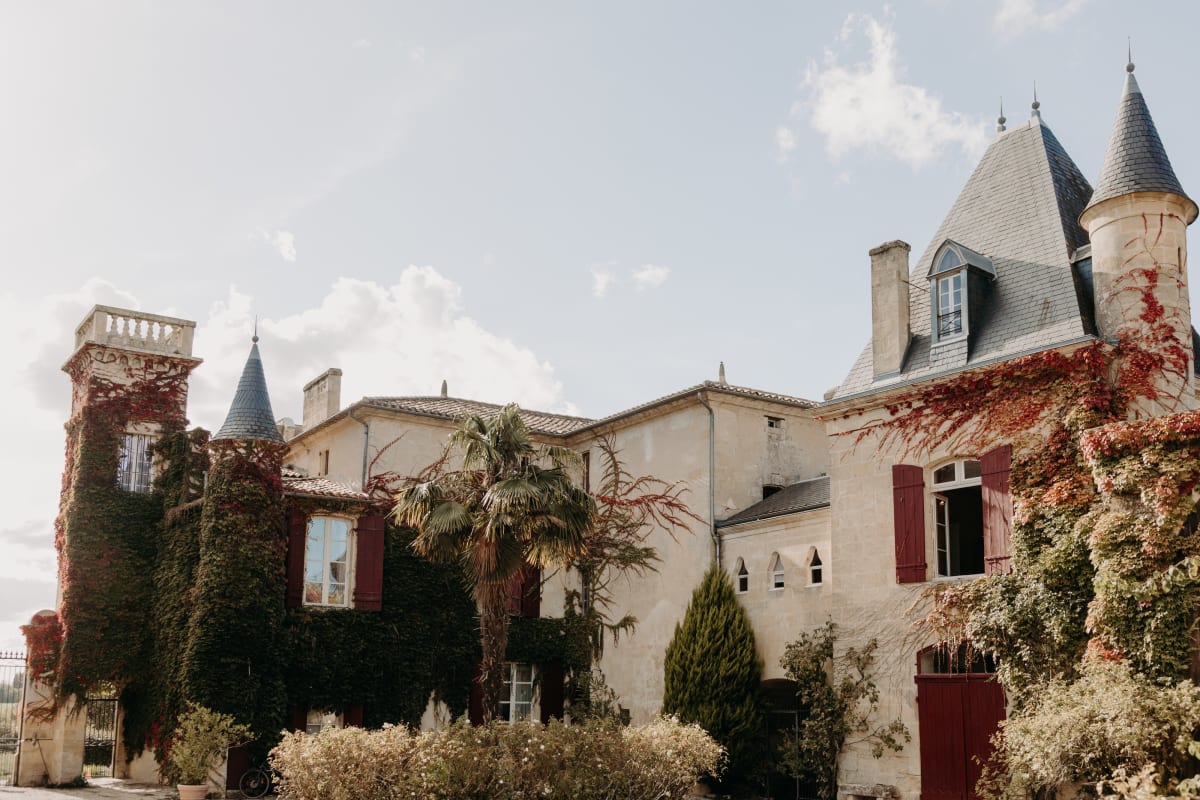
What exclusive use means
Exclusive use means the venue is reserved for your group for an agreed period, with no other weddings or guests on the property. It usually covers the reception spaces and the grounds, and often some or all of the bedrooms. Exactly what is included, and for how long, varies from venue to venue, so read the details for each one.
How the weekend usually runs
A common rhythm is three days: guests arrive and gather, the wedding, then a slow morning together. Some venues are booked from a Friday afternoon to a Sunday or Monday, others offer midweek stays.
- Day 1, afternoon. You and the guests staying on site check in. A welcome dinner or drinks for everyone, often more relaxed than the wedding itself.
- Day 2. The ceremony, dinner and party. Guests who sleep on site do not have to drive home or catch a shuttle at the end of the night.
- Day 3, morning. Brunch or a late breakfast together, then check-out.
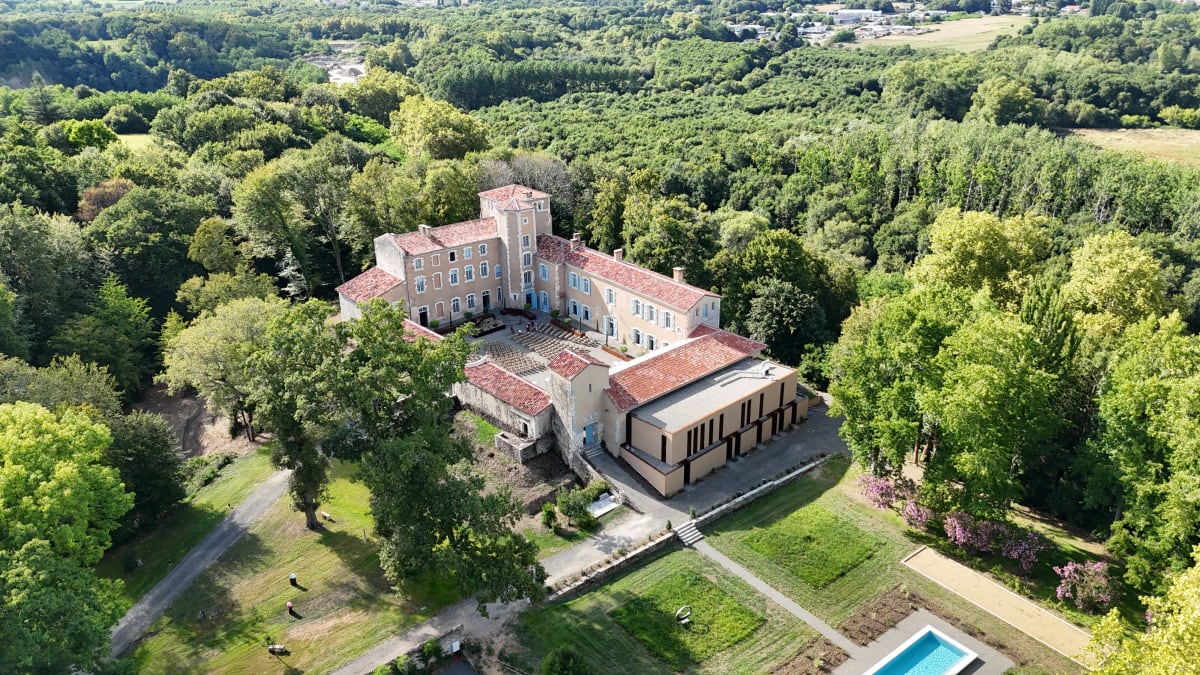
Why couples choose it
- Time together. The wedding becomes a few days with your family and friends, not a few hours.
- Privacy. No other guests, no other events and no sharing of the grounds.
- Simpler logistics. Guests who sleep on site do not need transport at night, which matters in the countryside.
- A more relaxed evening. When everyone sleeps on site, nobody has to leave early. Ask each venue about its rules on music and end times.
Who pays for the rooms?
This is one of the biggest differences between venues, and it changes the budget a lot. There are three common models:
- Rooms included in the price. The accommodation is part of the exclusive-use price. It is then up to you whether to cover it all or ask guests to contribute.
- Guests pay the venue directly. Some venues let guests book and pay for their own rooms.
- Rooms charged on top. Some venues charge per room or per person per night, in addition to the venue price.
Ask which model applies before you compare prices between venues.
Venues where many guests can stay
If you want most of your guests under one roof, look at how many people the venue can sleep, not just how many it can host. A few examples:
| Venue | Wedding guests | Sleeps on site |
|---|---|---|
| Domaine Le Mezo, Brittany | Up to 350 | Up to 250 |
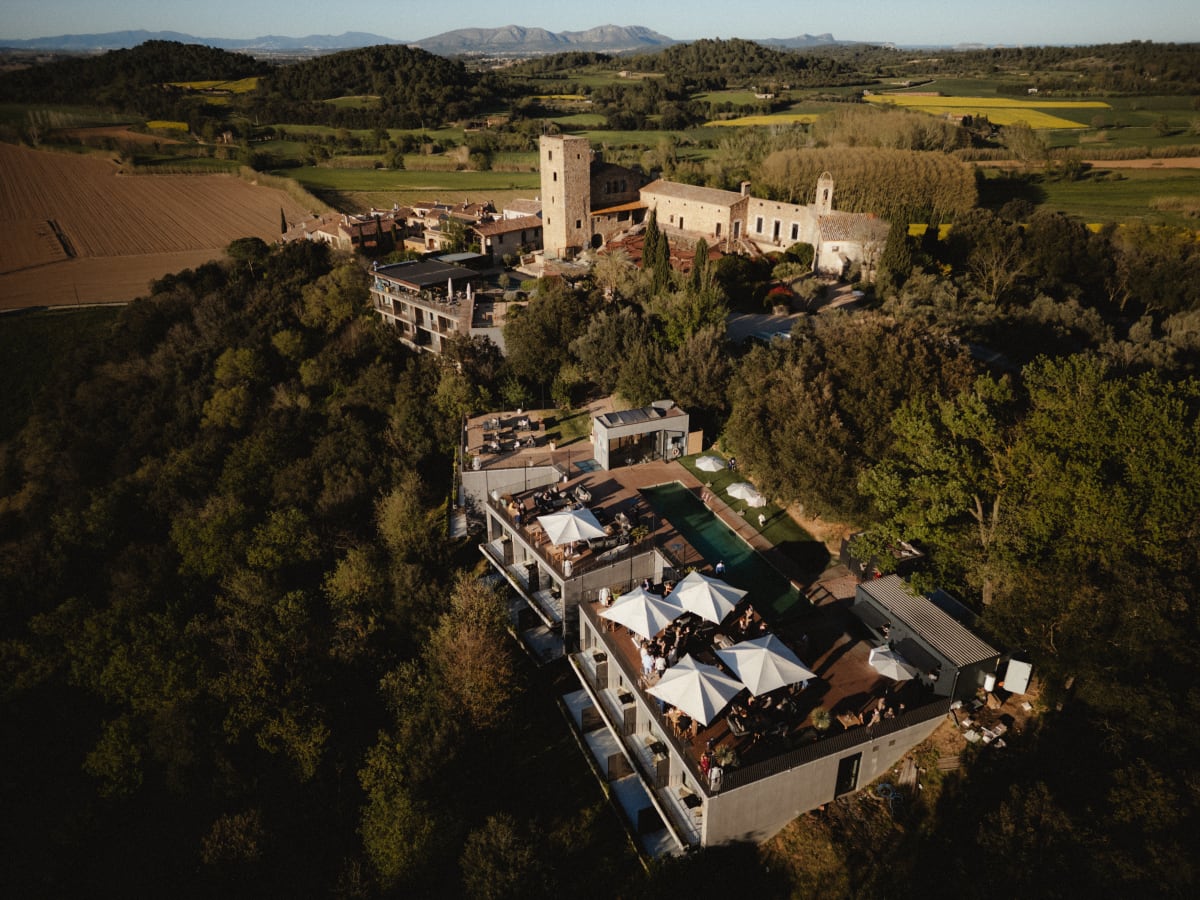
| Hotel Castell d’Empordà, Girona | Up to 200 | Up to 132 |
| Le Vieux Castillon, Gard | Up to 100 | Up to 80 |
| Château de la Bourdaisière, Loire Valley | Up to 300 | Up to 79 |
| Domaine Le Risdoux, Ardennes | Up to 300 | Up to 60 |
Seven things to check before you book
- How many guests can sleep on site, compared with your guest list. Many venues can host far more guests than they can sleep.
- The minimum number of nights, and whether it changes in summer.
- Exact check-in and check-out times, so you know when set-up can start and when the brunch has to end.
- Whether the rooms are included, charged on top, or paid by guests directly.
- Accommodation nearby for the rest of your guests, and whether the venue can help arrange it.
- The catering for extra meals, such as the welcome dinner and the brunch, and who provides them.
- The house rules: music, end times, fireworks, candles and, for hotel venues, any conditions on room bookings.
Where to start
Browse venues with accommodation in France, Italy and Spain, or see all venues with accommodation. Each listing shows how many guests can sleep on site.